Hepatitis is a symptom; the virus is the cause
Hepatitis means inflammation of the liver. It is a description of a biological state, the same way 'fracture' describes a broken bone rather than the event that broke it. That state can be caused by many things — certain medications, heavy alcohol use, autoimmune conditions, and several different viruses. When a specific virus is the cause, it gets a letter: hepatitis A, B, C, D, E. Each of those letters represents a biologically distinct virus with its own structure, its own way of spreading, its own behaviour inside the body, and its own clinical picture. They share a name only because they share a destination: all of them inflame the liver.
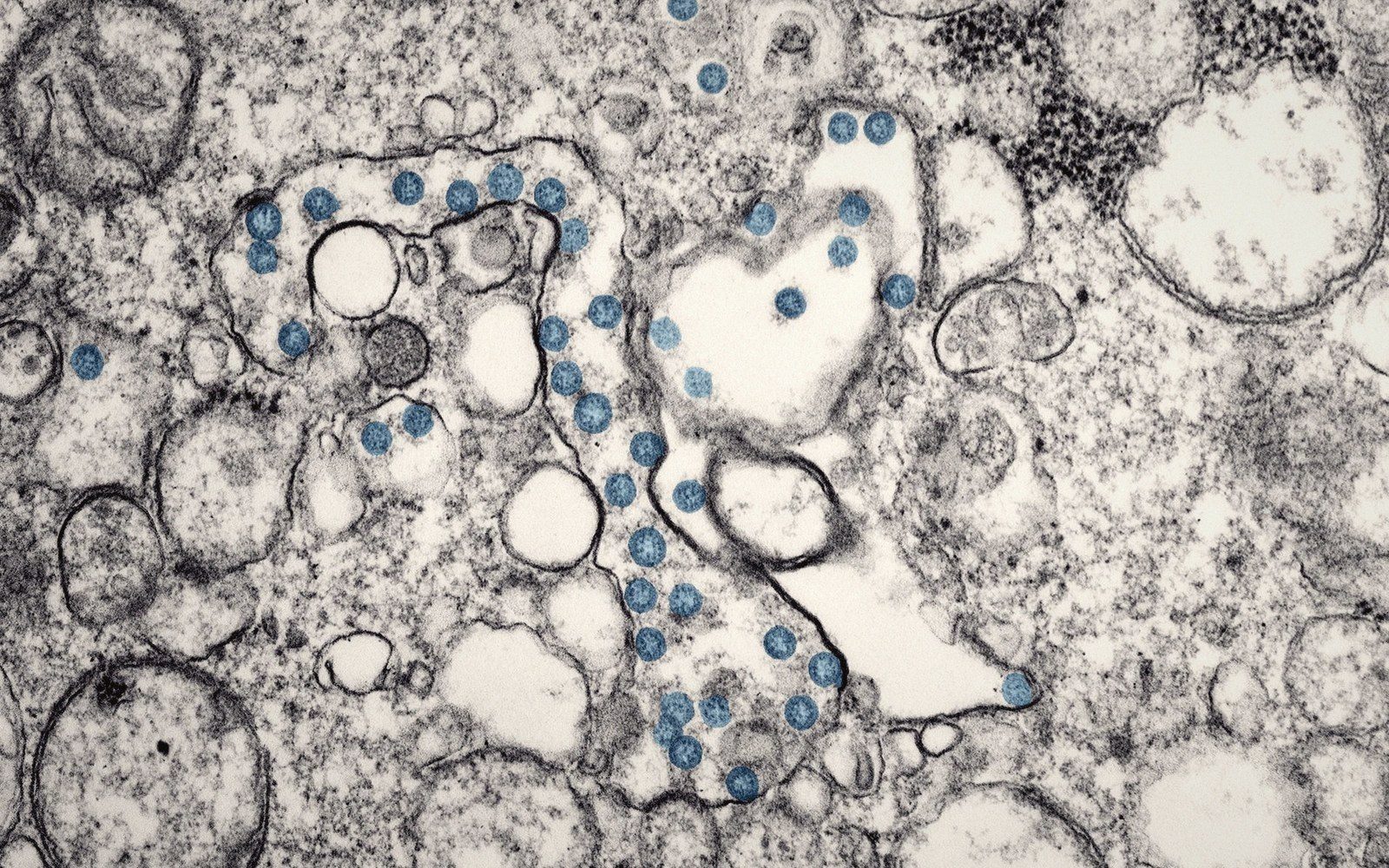
Hepatitis C virus — usually written HCV — was formally identified in 1989, which is more recent than most people realise. Before that, a form of post-transfusion hepatitis was observed that was clearly neither hepatitis A nor B, and it was called, bluntly, non-A non-B hepatitis. The identification of HCV as its cause was a significant moment in infectious disease research, and it opened the door to everything that followed: testing, understanding, and eventually treatment.
What kind of virus it is
HCV is an RNA virus. That distinction matters enough to explain. All living things — and viruses, which occupy an odd category somewhere between living and not — carry genetic information, the instructions for making copies of themselves. In most familiar organisms, that information is stored in DNA. Some viruses store it in RNA instead. HCV is one of them.
RNA as a storage medium is less stable and less precisely copied than DNA. This has a direct consequence for HCV: when the virus replicates inside liver cells, the copying process is error-prone, and errors accumulate. The result is that HCV exists not as a single uniform version of itself but as a swarm of closely related variants. At the population level, this variation has produced what researchers call genotypes — numbered 1 through 6 — which are distinct enough to matter clinically, particularly in reading a result letter that includes genotype information. Within any one infected person, the virus also exists as a cloud of variants, which has historically complicated the immune system's efforts to clear it.
HCV belongs to the Flaviviridae family, a group that also includes the viruses responsible for dengue and yellow fever. It is a small, enveloped virus — meaning its genetic core is wrapped in a lipid membrane that it borrows, in effect, from the host cell it infects. That envelope plays a role in how the virus enters liver cells and why the immune system finds it difficult to neutralise.
In sequence
- Pre-1989hepatitis C recognised as a clinical phenomenon but its cause unknown; referred to as "non-A non-B hepatitis"
- 1989hepatitis C virus formally identified
What it does inside the liver
The liver is a large, metabolically active organ with a specific cell type, the hepatocyte, that does the bulk of its work — filtering blood, processing nutrients, producing proteins, managing waste. HCV targets hepatocytes. The virus enters a hepatocyte, hijacks the cell's own machinery to replicate itself, and releases new viral particles that go on to infect other cells. The hepatocyte is not destroyed by this process the way cells are destroyed by some other viruses. The damage comes largely from the immune system's response to infected cells — inflammation, repeated over time, as the body attempts to clear something it cannot quite eliminate.
That sustained inflammatory response is what distinguishes HCV from a short, sharp infection. In many people, the immune system does not resolve the infection within the first months, and it becomes chronic — a long-term condition in which the liver is under slow, ongoing immune pressure. Over years, that pressure can lead to scarring of liver tissue, a process called fibrosis. Significant accumulated fibrosis is called cirrhosis. This is the pathway that gives hepatitis C its long-term clinical weight, and it is also why early identification changes the picture: less accumulated inflammation means less accumulated damage.
It is worth noting that for a long time — often many years — this process can unfold without producing symptoms that a person would notice. That is not a feature of this article to dwell on, but it is central to why the virus has the profile it does.
The factual floor
HCV, then, is a genetically variable RNA virus that infects liver cells, triggers a chronic immune response in most people who acquire it, and can cause progressive liver damage over time. It is not a moral category, not a reflection of anything about the person who has it, and not — as will become clear across this site — the dead end it was once considered. It is a specific, well-characterised biological entity, and specific, well-characterised things can be understood, tested for, and addressed.
General information only — not medical advice. Not affiliated with any clinic, laboratory, charity, campaign or pharmaceutical company. If you have questions about your own health, speak to a qualified clinician.